Showing posts with label makerspaces. Show all posts

Friday, March 4, 2022

A creative community in Tucson Arizona

On Day 5 of the March is for Making series, I'd like to introduce you to one of the most inclusive and accessible maker spaces I've had the pleasure of visiting (and joining).

Many of you know that Craig and I usually spend 6 months traveling in our 1983 Bluebird bus named BELLA. Last year was an exception due to COVID.  During  our travels across the country, we are always on the look out for creative spaces to visit or to meet other creatives.   This winter we revisited Tucson's maker space - Xerocraft.    

Our plan was to be in Tucson for a month right before Christmas.  And since December is always a fun month for creating and making and this year I inquired as to whether I could join  Xerocraft during our stay.   Their website indicated that they allowed monthly membership and they welcomed me as a member.  I was so excited about the possibility to  access to a laser cutter for some holiday presents I hoped to make. 

Yes, I got access to the laser cutter, but I also discovered an amazing maker community and made some new friends.    We visit lots of maker spaces in our travels, and I have to say that Xerocraft is the friendliest, most accessible and inclusive maker space I've had the pleasure of engaging with. 


The fact that they allow one month membership makes it very accessible.  They don't have a lengthy tool certification process, and instead volunteer shop leads get you up to speed so you can get started quickly and safely.  

Guy and Terry got me going with  their laser cutter within days of my joining, and I experimented with lots of iterations for ideas I had for holiday presents.  It was so handy to be able to purchase materials in house as I needed it without having to interrupt my making to go source wood. 


I noticed a sewing class happening on the Wednesday night and was welcomed by Cyndi and several members working on a variety of sewing projects.  


That night I discovered they had an old embroidery machine gathering dust on the bottom shelf. 
Since I've been looking to explore TurtleStitch as a way to explore coding, I convinced Craig to see if he could get it up and running.   (We came close) 


That night I also got to witness an amazing interaction between an amazing mentor and his middle school aged mentee.

I even got a potato gun demonstration in the maker spaces's 'out door' space  that 'blew me away"  


Just imagine the multi-generational relationship that can be developed
while making your own potato gun. 

The next week I attended the Tuesday night WTF hack where the maker spaces is only open to those who identify as women, trans, and femme.


My new friends  from Xerocraft's WTF  were eager to help me consider new possibilities for renaming my 20 year project (TechSavvyGirls) to become more inclusive.  We brainstormed lots of possibilities that I will take back to Vermont.   Terry even invited me to share my e-Textile skills at their holiday party and the next WTF hack night. 


I decided to create an entry level project that allowed you to light up 
a bowtie that could be used to embellish a holiday outfit or dress up a holiday gift. 


Of course these creative ladies took it in several new directions. 


A few days later I brought my project to their 
annual Holiday party and got to meet more fun and adventuresome creatives. 


Craig was a great sport and helped me out when we needed it.
He also networked with some amazing creatives  like this 
artist using irradesescent beetle wings in  her crafts. 


My only regret about my membership at Xerocraft was that 
it was only a month because I had an airplane ticket to make it 
back east to spend Christmas with the grandkids. 


During our stay at Tucson, we stayed at Desert Trails RV park 
which is in western part of Tucson adjacent to the Tucson Mountain County Park where
we took some wonderful walks through the desert.


I even introduced other snowbirds at Desert Trails RV 
Park to add sewable LED lights with conductive thread to 
their sewing projects.  


Friday, January 3, 2020

More Projects that Matter in 2020

This morning I found myself thinking about project based learning and the role that makerspaces can play supporting a project based learning environment where student create work that matters and where we believe that our students can achieve amazing outcomes. 

My reflections were sparked by two things that happened as I was enjoying my morning coffee. 

The first  was a request I received from an alumni student who located me through Facebook. 

The second was reading through the 10 things Katie Martin has learned about change in education this decade as it came across my morning news feed. 

The student request really drove home NO. 9 and 10 on Katie's list --

  9. 
Doing work that matters, matters 10. Our beliefs impact opportunities and access for learners.

The name on the Facebook friend request seemed familiar.  I almost didn't accept.  I'm glad I did. It turned out that the request was from a former student who asked if I had a copy of a project he did 20 years ago -- an interview with his Grandma. His grandma had just passed and he was hoping to find the interview he had contributed to a web project we had created about Franco American culture in our community. The website - "Life on the Border" included hundreds of interviews with first generation immigrants from Quebec into our 'border community" in northeastern Vermont.   

The fact that this student went through much effort to find a way to contact me was the first sign that this project had been meaningful to him as a student. The fact that he was thinking about this project almost 20 years later and wanted to reconnect with it at this moment in his life was testimony that we were doing 'work that matters."

As I read his request, I was bummed out by the fact that the server which hosted the project website was at a non profit that was no longer in existence. Touched by the request, I had an idea and started to use "The Way Back Machine" to see if there might be some remnants of the project archived on line.   

I was not able to find the video interview,  but I did find two archived webpages that this student has created.  The first was a piece that he had written in FRENCH summarizing the interview with his grandmother. 


Eric pushed further asking if the school might possibly have the video footage. This brought back memories of my students learning how to create a streaming server to host the media for this event.  This was long before Google Sites, YouTube or Spotify!  Through lots of trial and error, my students managed to get Darwin Streaming Server up and running, and FTP's our media to a server in Montpelier, Vermont.

Darwin Streaming Server (DSS) was the first open sourced RTP/RTSP streaming server.[1] It was released March 16, 1999 and is a fully featured RTSP/RTP media streaming server capable of streaming a variety of media types including H.264/MPEG-4 AVCMPEG-4 Part 2 and 3GP.https://en.wikipedia.org/wiki/Darwin_Streaming_Server
They were not only doing work that mattered, but they were doing it because I believed that they were capable (much more capable than I) or figuring it out.  I had managed to get my hands on the hard drive from that server before it was retired.  Why?  because it was work that mattered!  It was authentic! It was important to the students and their community.  It represented such amazing learning; I had aspiration to do something with it, someday.  Perhaps, this request will lead to our finding someone to help us access that media on a 20 year old SCSI hard drive.  

As I think about these times in my classroom (almost a decade ago) and I'm reminded of this timeless quote from almost a century ago from another Vermont educator.


AS we approach the new year, many of us think back of conversations we have been having since the turn of the century around Vision 2020!   Many of our aspirations for Vision 2020 are quite similar to Dewey's aspiration for our children.   

Katie Martin's  comment  in my morning stream that "2020 is no longer the future, it’s literally next week" is spot on!   Number 9 and Number 10 in Katie's list especially resonate with my beliefs about  teaching and learning. 

9. Doing work that matters, matters. 
... When the work is authentic and purposeful, students not only learn and improve in reading, speaking, writing and communicating but she also demonstrated them in ways that were authentic and meaningful to her which provides purpose and motivation for learning.   https://katielmartin.com/2019/12/29/10-things-ive-learned-this-decade-about-change-in-education/ 

10 . Our beliefs impact opportunities and access for learners. 
"If we really want to create learning environments in our schools where all learners are valued and seen as capable of achieving desired outcomes, we have to begin with the belief that they can." https://katielmartin.com/2019/12/29/10-things-ive-learned-this-decade-about-change-in-education/ 

The project that Eric (our past student) was remembering as he approached his grandmother's funeral was grounded in these two tenets.  My project based classroom had revolved around Cyberfair from Global School Net for quite a few years. That year - the project went Platinum.


The students worked with their community to develop a vision of the project. We had to learn new skills with new technologies in order to implement that vision.   But together, we figured it out - and 20 years later, this memory still lives in them and some pieces are still alive in Internet Archives.

As Eric's request had me searching through Internet archives, I thought about Ron Berger's belief that our students are capable of and deserve the opportunity to create beautiful work.   I thought about the fact that the tools in many of our school maker spaces allow us to recreate similar learning experiences for our students.  They allow us to create a vision, and make it come to life by learning tools and processes that are challenging us in ways that traditional classroom assignments can not. 

Katie  also refers to Ron Berger in her article.
... Ron Berger reminds us in this article that,  “when we finish school and enter the world of work, we are asked to create work of value—scientific reports, business plans, websites, books, architectural blueprints, graphic artwork, investment proposals, medical devices and software applications.  
There are many opportunities for students to learn through creating and making.  Teachers often assign projects that have students create something in order to make stronger connections with our content.  Perhaps we should ask ourselves, "What will happen to the work that your students create?-  Will it end up in the recycle bin? Or will it end up being archived - as work that matters."  

What needs to happen for our students to spend time on 'work that matters"?  Obviously the first step is to believe that they can do work that matters.   Another step is to provide them with tools by which to do work that matters.   We've come a long way towards providing students with access to digital tool in the past decade.  Let's continue to do this.  Let's continue to look for additional tools and opportunities -- like those found in school makerspaces. 

Tuesday, March 13, 2018

March 13 - An Invitation to Teachers from Your Community Maker Space


Today's post in the March is for Making series  (30 posts in 30 days to inspire making in your school) 
 is an invitation from Karen McCalla and the MINT to educators to join her and other educators who have taken advantage of their local maker space-  either by stopping by to take a tour,  or signing up for a class or two, or becoming full fledged members.  
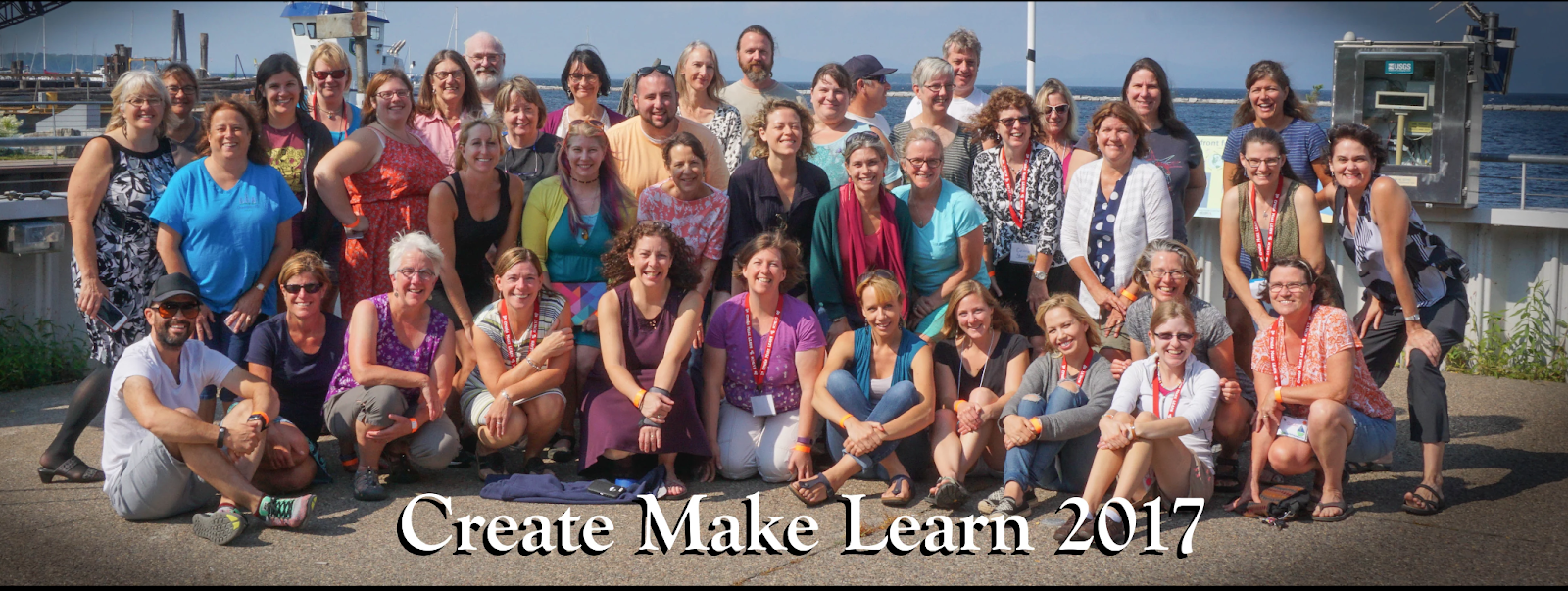
Karen is the teacher-librarian at Mill River Union School, a 7-12 middle/high school with about 500 students just south of Rutland.  This is her 17th year at Mill River.  And after 4 years coming to the Create Make Learn Summer Institute as a learner,  we've finally convinced Karen to share her knowledge with us as part of this  year's Create Make Learn Summer Institute lead learner team. 
Karen McCalla is  also the Maker Evangelist at The MINT: Rutland’s Makerspace.  The MINT is a collaborative workshop and learning space with shared tools and equipment for anyone who wants to make things.  You can learn more about The MINT at rutlandmint.org  

Guest blog post from Karen McCalla
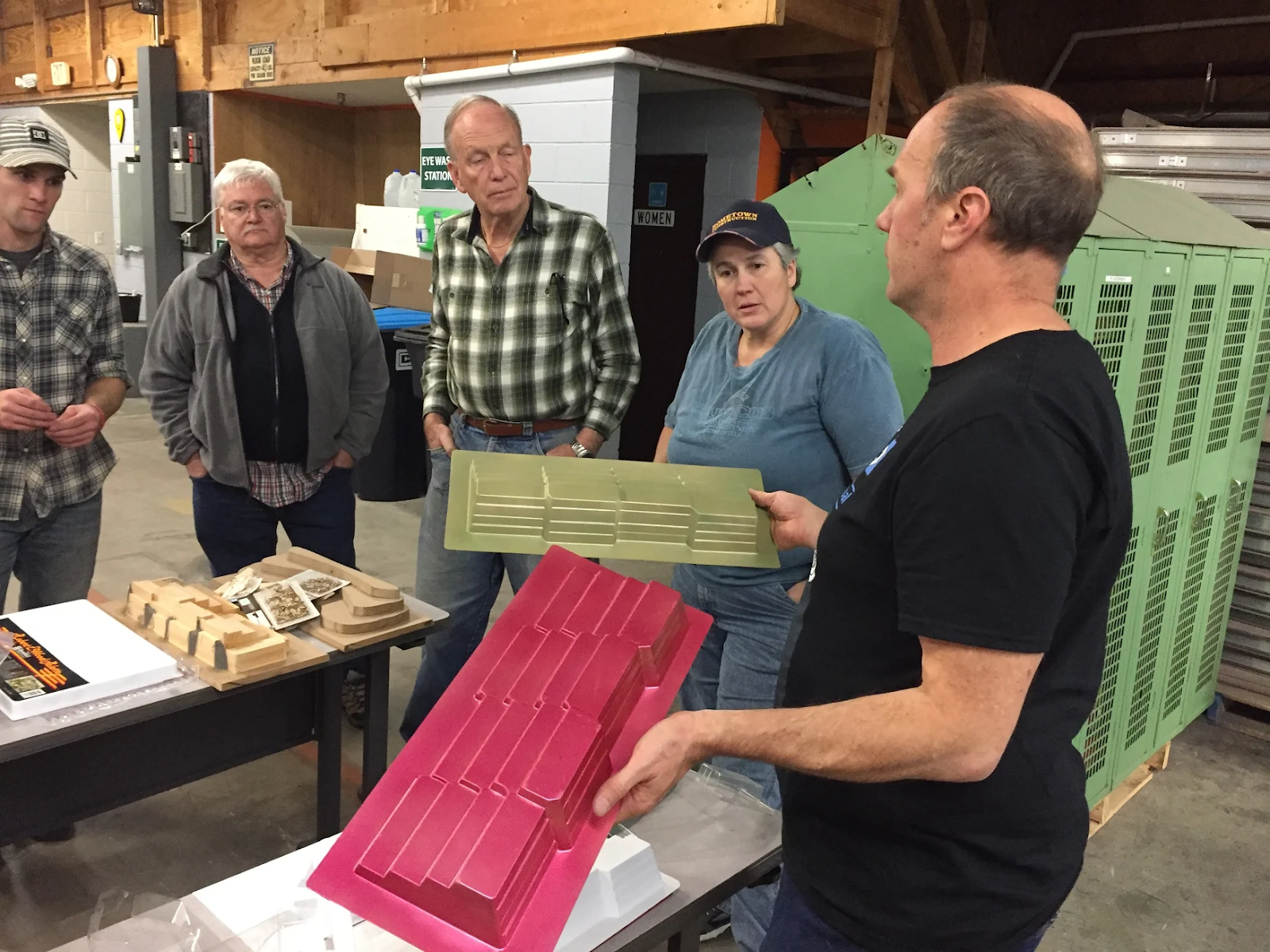
Karen giving a tour of The Mint to other educators.
Why should teachers be makers?  

I’ve had this conversation many times with teachers in my own school and district and with colleagues across the state.  As we work to change the learning experience in our classrooms to focus more on proficiencies and on students owning their own learning, it’s important for teachers to embrace these tenets for their own learning experiences as well.  We all know how unengaging sit-and-get PD can be; embracing the maker movement can be your opportunity to create your own journey to becoming a more effective teacher.
Embracing making will help you:
  • move past pre-packaged learning materials in your classroom
  • own your own learning, and help students understand the power of ownership for their own learning
  • gain practice in constructing your own meaning and making your own way to answers, and help students practice these skills
  • gain facility in allowing students to show what they know in many ways
  • build comfort with “not knowing”
Teachers need to experience making from the point of view of a student.  The only way to do that is to try out making yourself.  It’s only after doing many of your own projects that you will fully be able to empathize with the feelings that happen for students.  The process of making can be intensely frustrating just as often as it is intensely uplifting.  Having experience with the process helps you coach students through the rough patches and celebrate their successes.
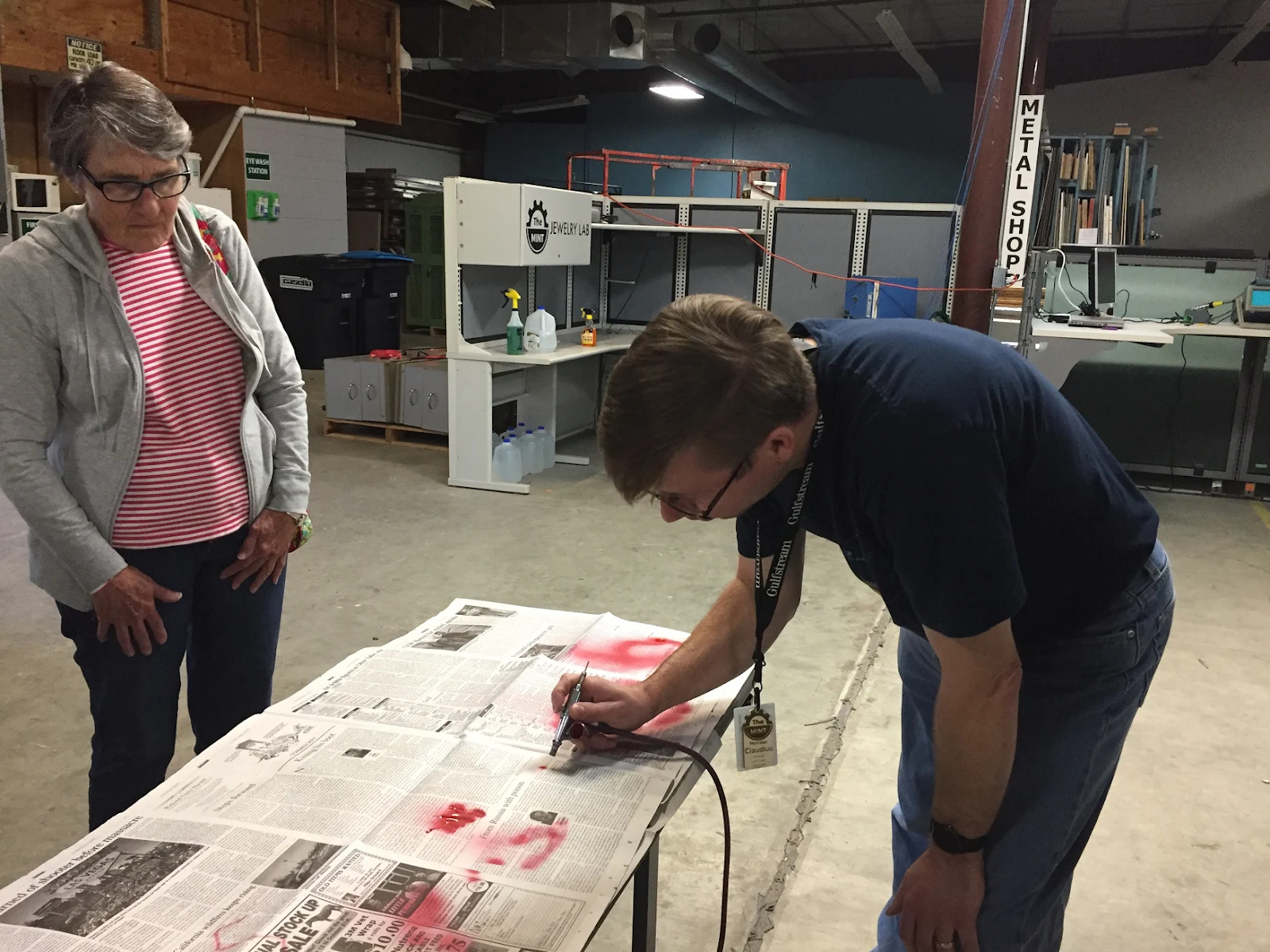
Makers of all ages learned to finish 3D prints with airbrushing in a recent class at The MINT
You can try out making on a very small scale inside your own classroom or house.  The process begins by identifying a need (for yourself or others) and then designing something that helps address this need.  As part of the design cycle, you’ll go through many revisions on your way to something that really works to solve your problem.  The design cycle is really never-ending, but you’ll probably get to a place where you feel comfortable with the final product.  Along the way you will have learned new skills, become more self-sufficient and learned how to find answers when you run into dead ends, connected with experts who can help answer your questions, and shared the results of your work with others.  Hopefully the feedback you get is helpful and reinforcing.  It’s the best feeling to be recognized as someone who can make things to solve problems!
The more you make as a teacher, the more likely you are to bring in making into your own school.
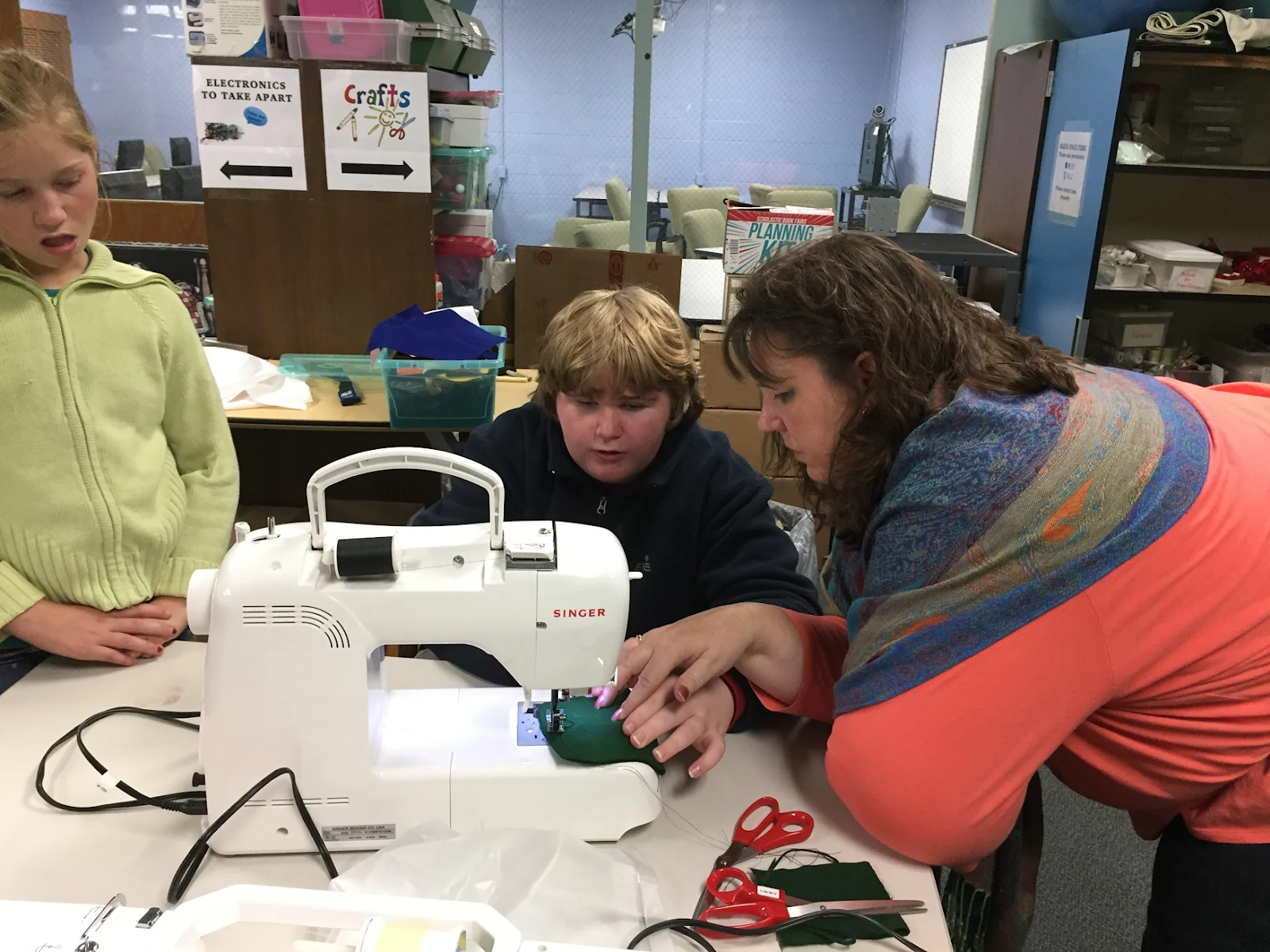
Kids (and teachers!) learn to sew on sewing machines at the MRU Makerspace
Kids love taking apart (and putting back together!) computers at the Mill River UHS Makerspace
It is good for students to see their own teachers as makers and as learners.  When we all own our own learning in a community, we’re all in it together.  What an empowering experience for students, and for us!  Role models are important for makers at all levels.  So is a community of makers to support you when your own making journeys become challenging, and to celebrate your successes with you.  

A virtual community of makers can provide this support.  The state-wide Create Make Learn alumni community is one example.  After our face to face summer institute, the community continues to share using virtual tools.   A nation or world-wide PLN in another example, irrelevant of how you access that community (Facebook, Twitter, Instagram or your own platform of choice).  

An in-person community can also be a wonderful support.  For that you might look to Vita-Learn or the Vermont School Library Association, or, if you’re lucky enough to live near one, a makerspace like The MINT, The Generator, Laboratory B or The Claremont Makerspace.  Maker spaces provide a vital community of other makers who will support your making, provide input on projects, expertise, and a sounding board when things don’t go quite as planned.  
Other makers you meet can also be good resources for your students.  Need someone to help a student through designing in 3D using Sketchup?  You might know someone at the makerspace who can help. 


Even if you don’t live very close by, it’s worth identifying your nearest facility and getting on their list for class announcements or following them on social media.  Even if you can’t be a regular member, taking occasional classes is a good way to create a supportive community for yourself and meet fellow makers.


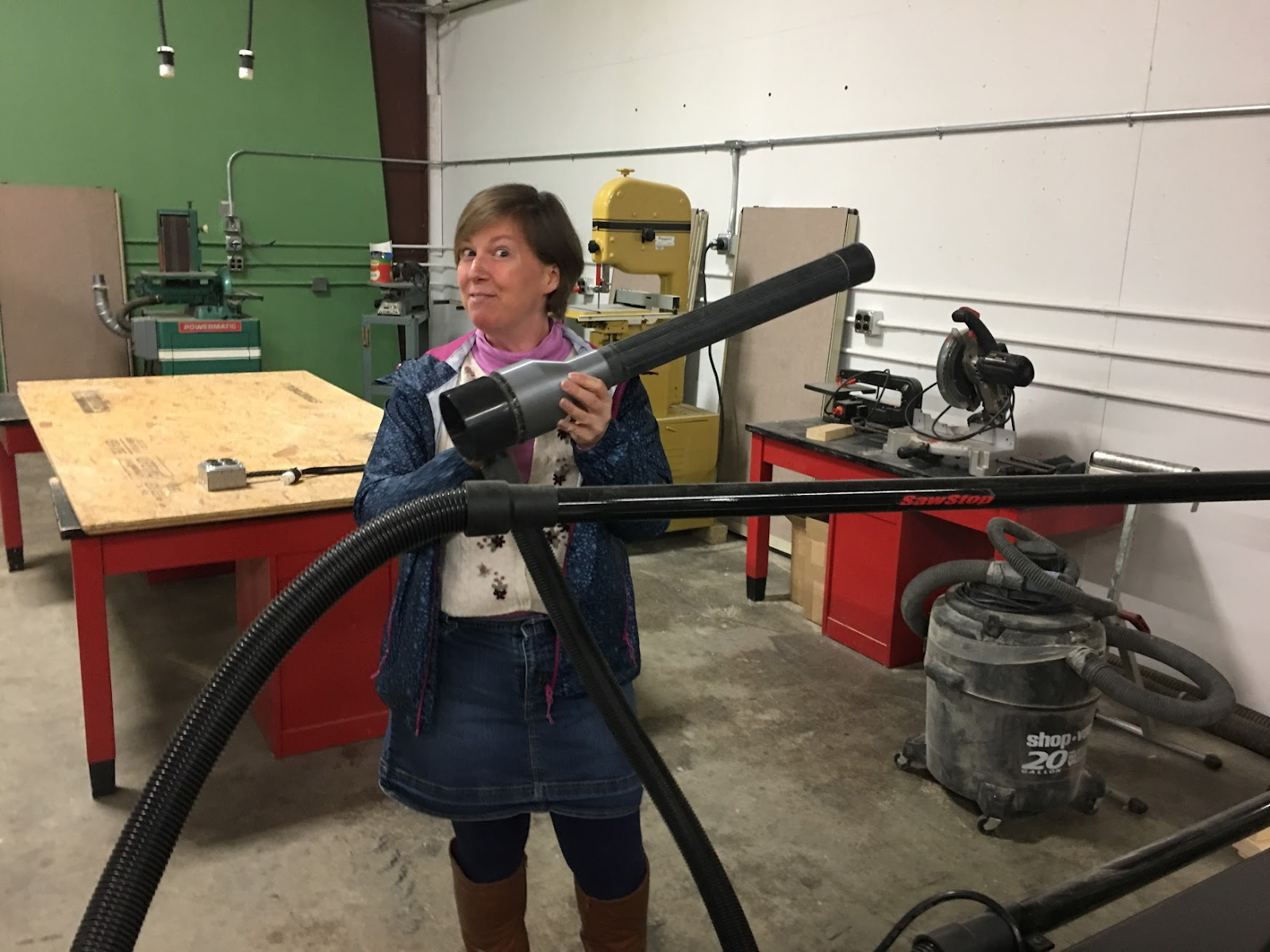
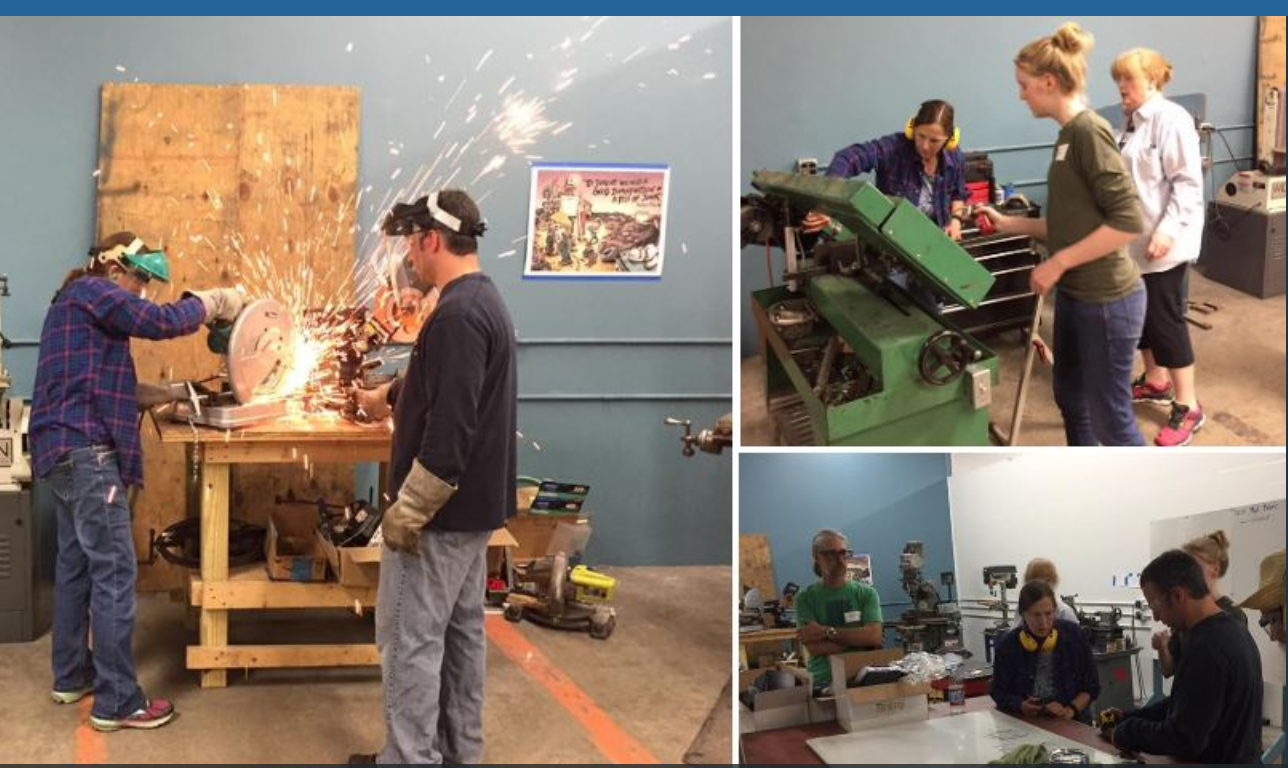
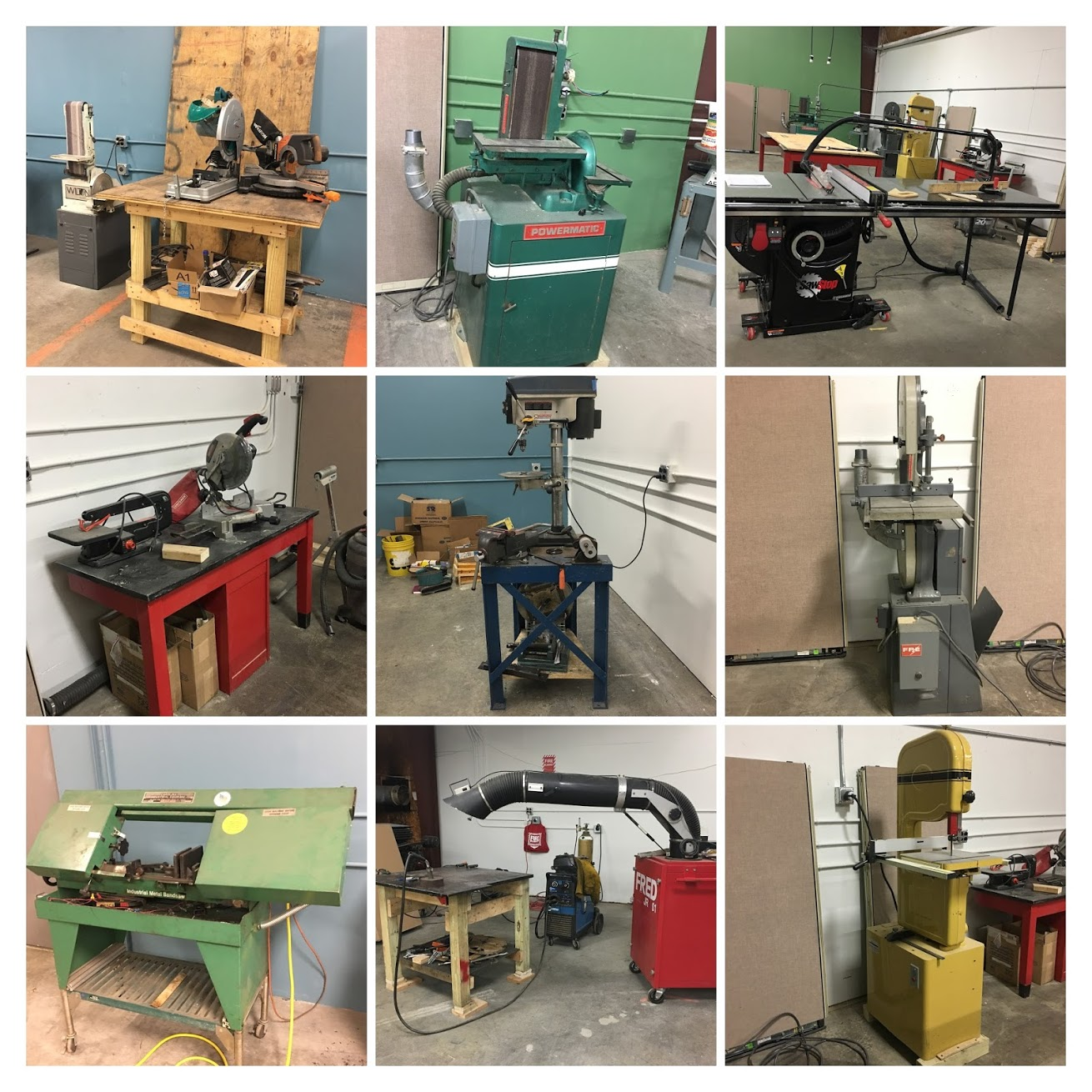
In my case, the resources at The MINT complement the resources we have at my school Makerspace.  They have the tools we can’t afford, can’t fit, can’t maintain or can’t have because they could be too dangerous for a school makerspace.  
Sometimes I can bring student projects to The MINT and finish them there.  Most times I have to do those steps for the kids (liability can be an issue) but we’re working on ways to have students working alongside teachers at The MINT.  
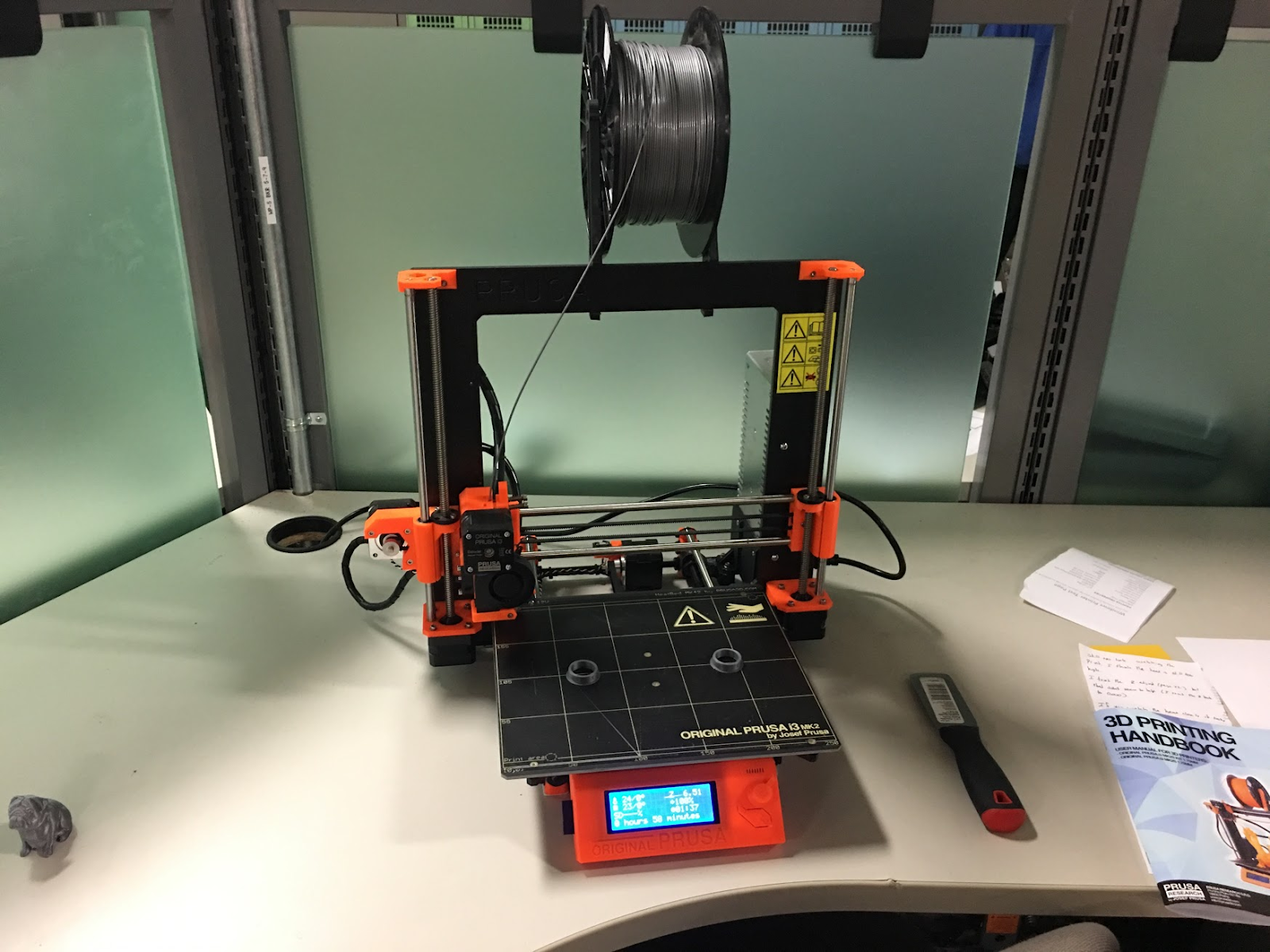
As an example, I have 3D printed things for students at The MINT that were too large for our smaller, school 3D printer.  The MINT one also has much better resolution, so sometimes if we have a student model that requires fine detail, I'll print it at The MINT instead.  I've printed custom phone cases (too big for our school printer) and a large dragon model at The MINT.  The student who designed the dragon had done a lot of work with adding textures, and they weren't really coming through that well on our school printer.  
We are working on partnerships with Rutland Central and also Rutland City.  In these partnerships, students will come in the small groups with some teacher supervision.  Their MINT time is really for production of projects that they have planned and developed prototypes of at their home schools.  
We have several teachers from various districts as members, and they have been bringing student projects sometimes too.  We've had students from Killington Mountain School at The MINT learning about 3D printing and the laser cutter.  In much the same way, they have been designing projects at KMS and then coming as a small group to The MINT to use our equipment.
Making in the classroom is here to stay, and teachers who are makers improve their classrooms and their interactions with students.  Try out making today!